Inside the SD-23 Team That Led Texas in 89R Successful-Measure Volume

Texas Legislative Intelligence · 89th Regular Session
The Senate Set the Pace in 89R: Senator West' SD-23 Leads Texas in Successful-Measure Volume
AUSTIN — Behind every bill that moves through the Texas Capitol is a team.
Legislative directors track deadlines. Policy analysts research the law. Chiefs of staff coordinate priorities. Committee staff work through language and amendments. Members negotiate with colleagues across chambers and, often, across party lines.
The numbers from the 89th Texas Legislature provide a way to see the cumulative result of that work.
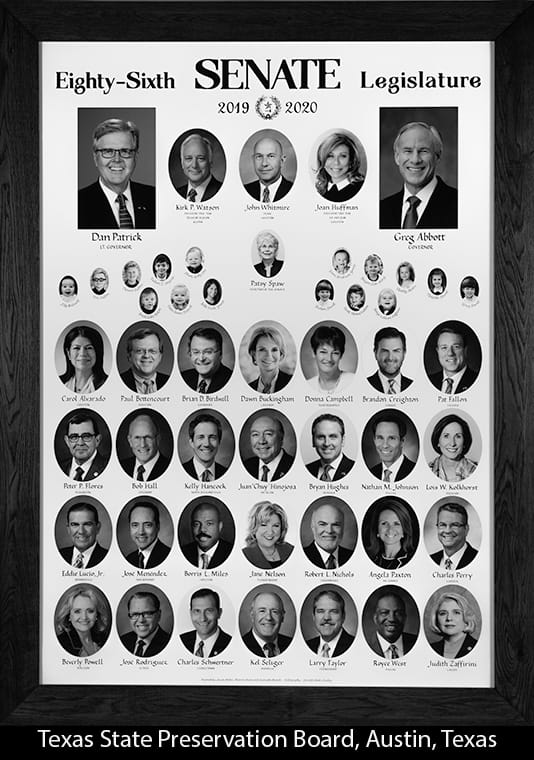
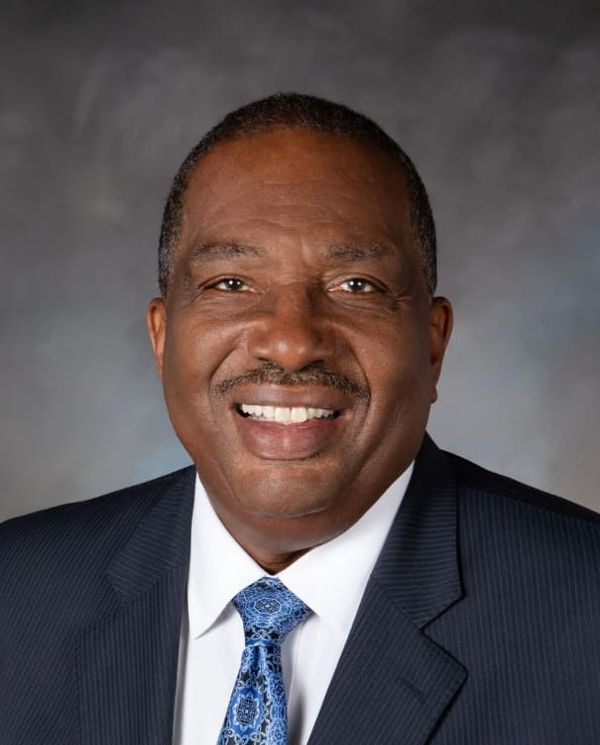
A new Texas Capital Report analysis of certified legislative outcomes finds that Senate District 23, represented by Sen. Royce West, recorded the largest volume of successful measures associated with any Texas legislative office during the regular session: 291 successful measures from a portfolio of 499 eligible measures.
That figure is more than a ranking. It reflects the amount of legislative work successfully moved through an extraordinarily complicated institution.
Sen. Bryan Hughes' SD-001 office followed with 271 successful measures. The offices of Sen. Judith Zaffirini in SD-021 and Sen. Cesar Blanco in SD-029 each recorded 269. Sen. Lois Kolkhorst's SD-018 office recorded 263.
Taken together, the results show something that is often lost in political coverage: the Texas Legislature is also a workplace, and successful legislation is generally the product of teams.
A Texas Capital Report analysis of certified 89R legislative outcomes finds Senate offices occupying every volume rank from No. 1 through No. 8 before the first House district appears. The measure tracks successful legislative activity by district office — not simply bills signed into law.
Key Findings
The Texas Senate dominates the top of a new 89th Legislature measure-volume analysis, with Senate District 23 leading the state and Senate offices filling every rank from No. 1 through No. 8 before a House district enters the list.
Senate District 23, represented by Democrat Royce West, recorded 291 successful measures from 499 eligible measures, a 58.32% success rate. Senate District 1, represented by Republican Bryan Hughes, followed with 271 successful measures from 465 eligible measures, a 58.28% rate.
The next two offices tied on successful-measure volume. Senate District 21, represented by Democrat Judith Zaffirini, and Senate District 29, represented by Democrat Cesar Blanco, each recorded 269 successful measures. Their rates differed because their eligible portfolios were different: 58.10% for SD-021 and 60.04% for SD-029.
89R Successful-Measure Volume · Leading District Offices
| Volume Rank | Office | Member | Party | Successful Measures | Eligible | Rate |
|---|---|---|---|---|---|---|
| 1 | SD-023 | Royce West | D | 291 | 499 | 58.32% |
| 2 | SD-001 | Bryan Hughes | R | 271 | 465 | 58.28% |
| 3 | SD-021 | Judith Zaffirini | D | 269 | 463 | 58.10% |
| 3 | SD-029 | Cesar Blanco | D | 269 | 448 | 60.04% |
| 4 | SD-018 | Lois Kolkhorst | R | 263 | 433 | 60.74% |
| 5 | SD-012 | Tan Parker | R | 222 | 437 | 50.80% |
| 6 | SD-020 | Juan Hinojosa | D | 219 | 349 | 62.75% |
| 7 | SD-027 | Adam Hinojosa | R | 199 | 360 | 55.28% |
| 8 | SD-030 | Brent Hagenbuch | R | 183 | 342 | 53.51% |
| 9 | HD-023 | Terri Leo-Wilson | R | 180 | 451 | 39.91% |
| 10 | HD-070 | Mihaela Plesa | D | 171 | 396 | 43.18% |
Senate offices dominate the top of the volume order
Because two Senate offices tie at rank No. 3, nine Senate districts occupy the eight ranking positions before the first House district appears. HD-023, represented by Republican Terri Leo-Wilson, is the highest-volume House office in the group, with 180 successful measures from 451 eligible measures. HD-070, represented by Democrat Mihaela Plesa, follows at volume rank No. 10 with 171 successful measures from 396 eligible measures.
The top tier is also cross-partisan. The 11 offices occupying rank positions No. 1 through No. 10 include six Republican offices and five Democratic offices. The ranking therefore should not be read as a party scorecard; it is an office-level measure of certified successful-measure volume.
Volume and success rate tell different stories
A large legislative portfolio can produce a high number of successful measures even when the conversion rate is lower than that of another office with fewer eligible measures. That distinction is visible throughout the list.
SD-020, represented by Democrat Juan Hinojosa, is sixth in successful-measure volume with 219 successful measures, but its 62.75% success rate is the highest among the offices displayed in this ranking. By contrast, HD-023 reaches the House-leading volume of 180 successful measures with a 39.91% success rate because its eligible portfolio is much larger.
For that reason, Texas Capital Report treats successful-measure volume and success rate as separate dimensions. Volume describes how much certified successful legislative activity is associated with an office. Rate describes the share of that office's eligible portfolio that reached a certified successful outcome.
What is being ranked?
Texas legislative district offices — standardized as SD-### for Senate districts and HD-### for House districts — ordered by certified successful-measure volume.
What determines the order?
The primary ordering field is successful measures, highest to lowest. Equal successful-measure counts receive the same dense rank.
What does the rate mean?
Success rate equals successful measures divided by total eligible measures for that office. The rate is reported separately from the volume rank.
What does it not mean?
This is not an enacted-bills-only ranking, a policy-impact score, or a complete measure of legislative effectiveness, leadership power, constituent service, or district need.
Why Texas Capital Report is organizing the data by district office
Legislative activity belongs not only to an individual lawmaker but also to a public office that represents a defined part of Texas. Using the district office as the reporting unit makes the intelligence easier to connect to communities, constituents and future district-level accountability reporting.
The standardized office identifiers also eliminate a basic source of ambiguity. A district number such as 23 means something different in the House and Senate. The HD-023 and SD-023 format makes the chamber explicit and gives every legislative office a distinct reporting key.
Future Texas Capital Report analysis can use the same district-office structure to separate successful-measure volume from enacted legislation, sponsorship roles, bipartisan activity, voting records and other legislative outcomes without collapsing those measures into a single score.