One Speech, One Number, One Challenge: William Michael Cunningham's Vision for Black Business Growth in Corpus Christi
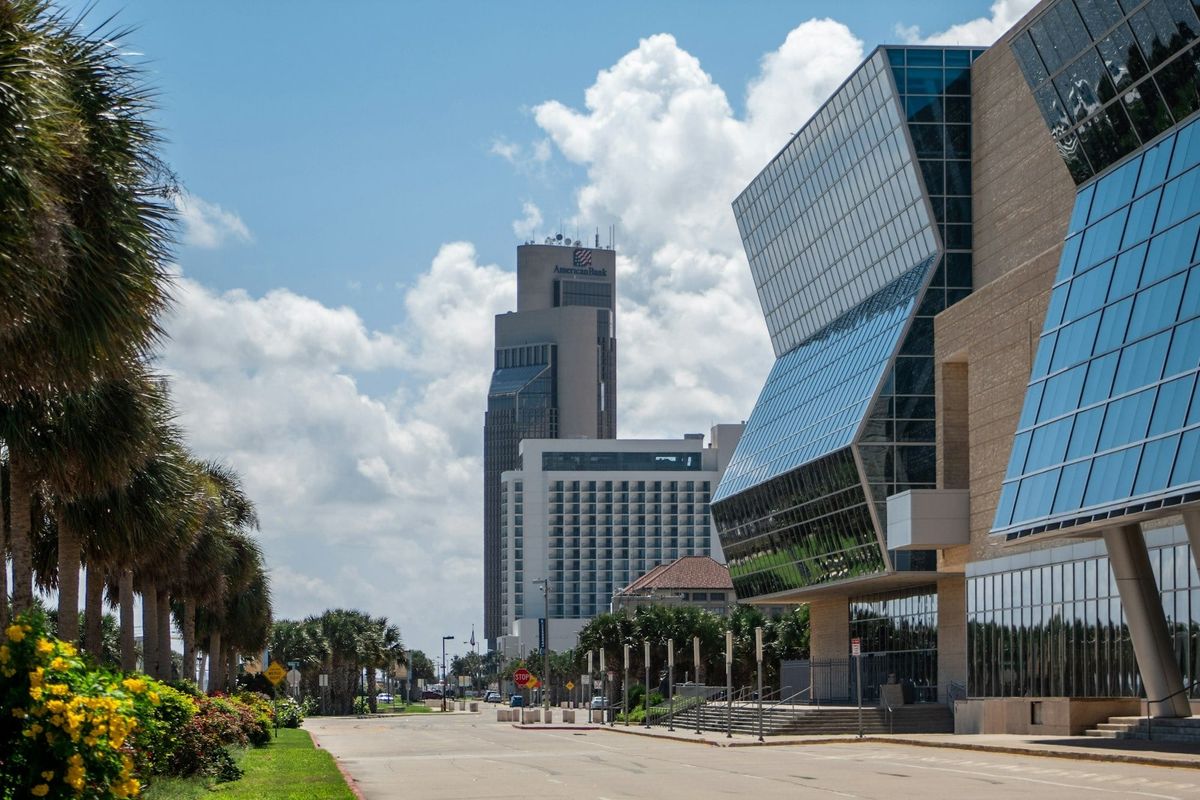
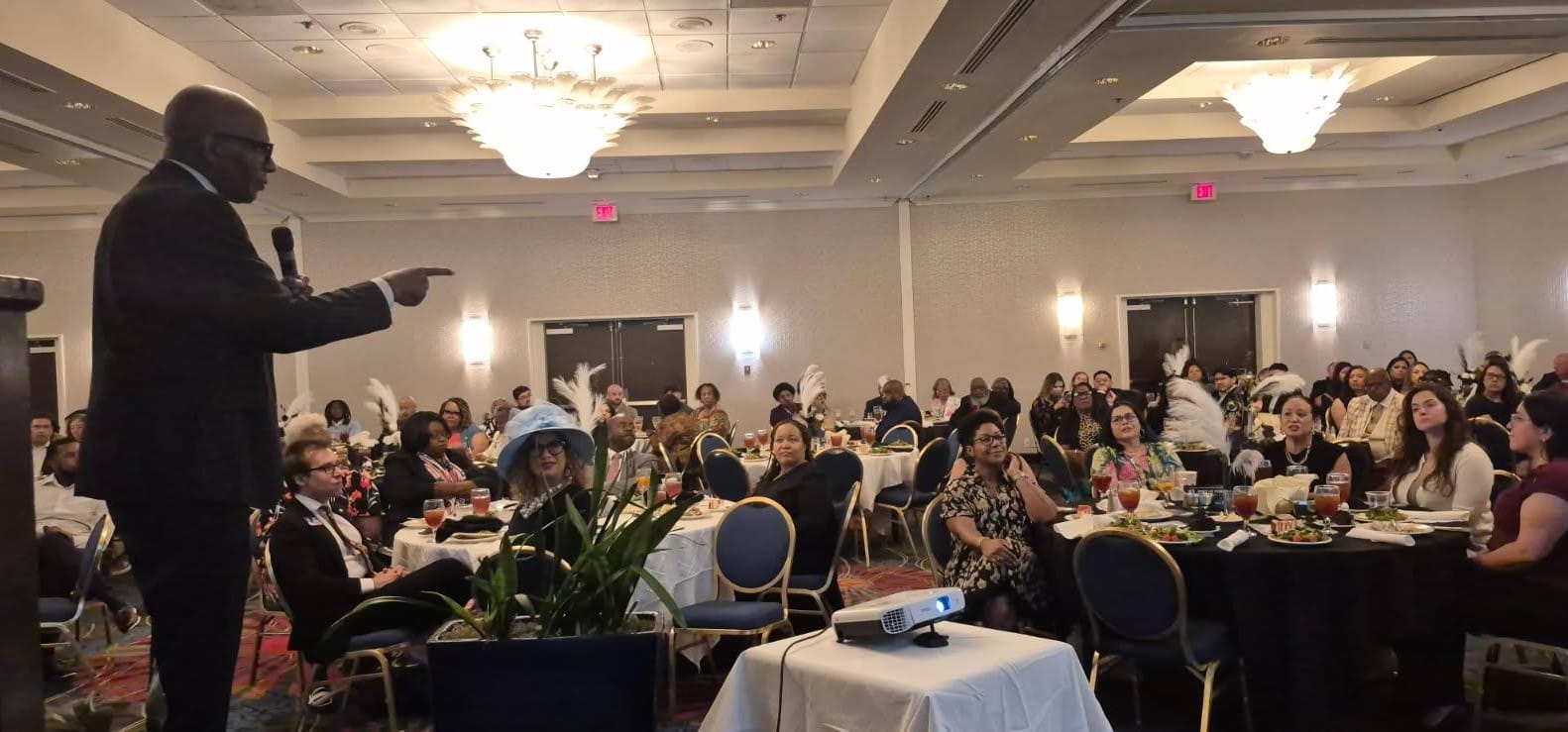
CORPUS CHRISTI, Texas — On June 17, 2026, business leaders, elected officials, educators, students, and community advocates gathered for the Corpus Christi Black Chamber of Commerce's State of the Black Business Lunch Summit, an event that brought together a powerful combination of leadership, vision, and opportunity. The luncheon was facilitated by Dr. Tammy Francis, PhD, chamber board member and parliamentarian, and featured nationally recognized economist William Michael Cunningham as the keynote presenter. The event also included scholarship presentations to local students by Coretta Graham, Esq., past president of the Corpus Christi Black Chamber of Commerce and Chairwoman of the Black Chamber HOPE Foundation, demonstrating the Chamber's commitment to both economic development and educational advancement.
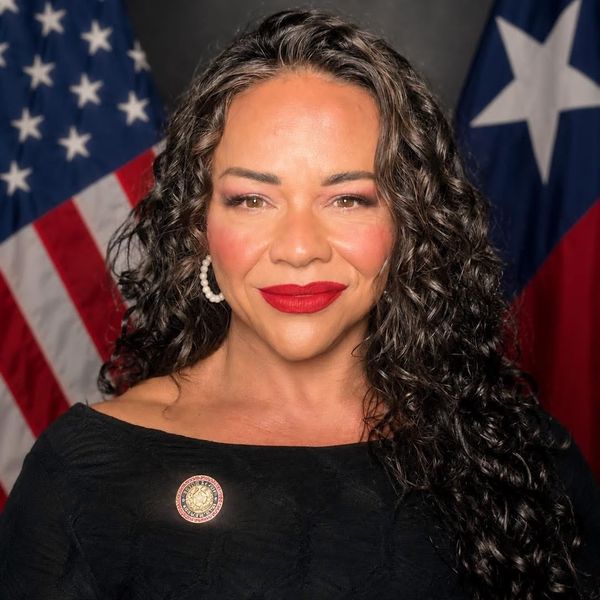
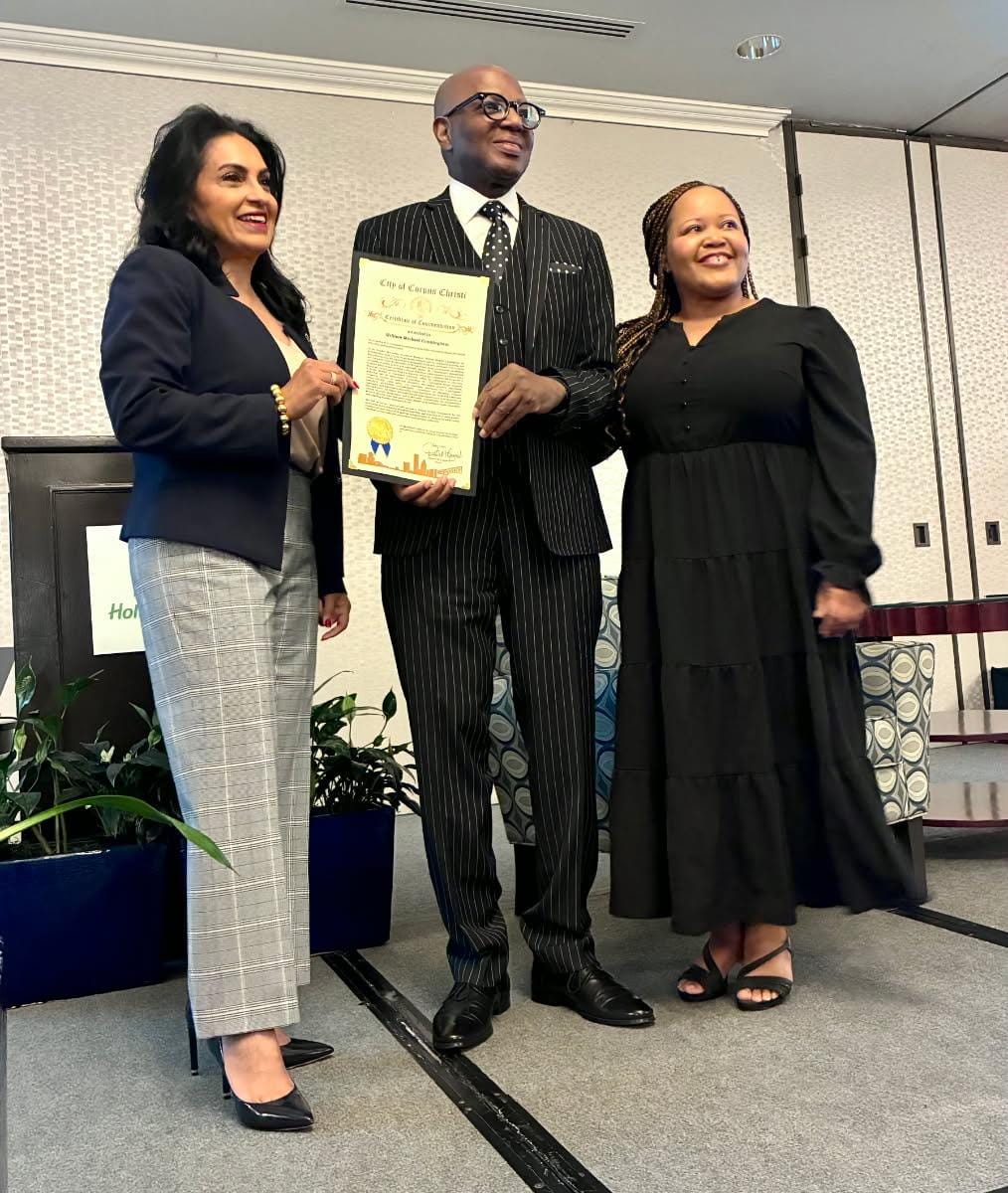
Among those recognizing the importance of the event was Corpus Christi Mayor Paulette Guajardo, the city's 60th mayor, who acknowledged Cunningham and his work during the summit. The gathering concluded with remarks from Curtis Clark, Vice President of IBC Bank and President and CEO of the Corpus Christi Black Chamber of Commerce, who challenged attendees to consider what could be achieved if the community aligned around a common economic vision.
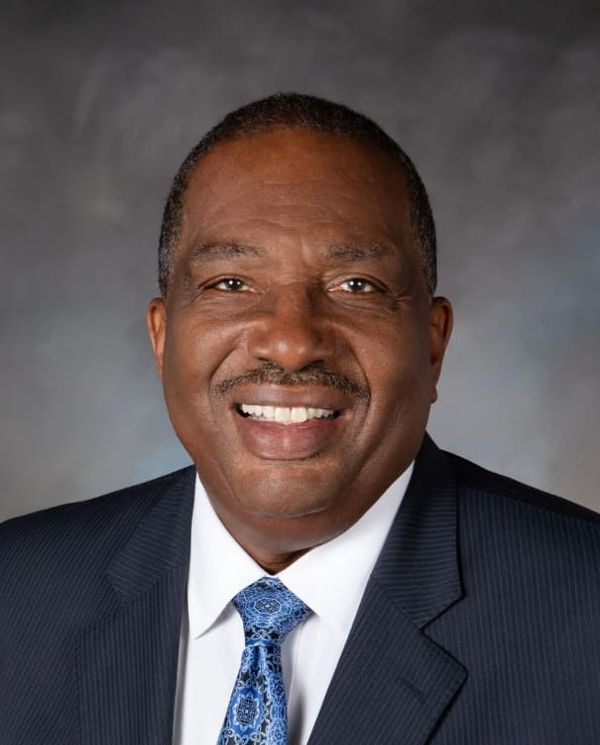
Cunningham, founder of Creative Investment Research, is widely known for his work in social investment analysis and minority business development. A graduate of Howard University and the University of Chicago, he has spent more than three decades researching economic disparities, capital markets, and entrepreneurship in underserved communities. Throughout his career, he has advocated for data-driven approaches to economic development and has become one of the nation's leading voices on minority business growth. His work focuses on transforming overlooked populations into measurable economic opportunities rather than viewing them solely through the lens of social challenges.
What made Cunningham's presentation particularly compelling was its simplicity. He did not begin with poverty statistics, public assistance programs, or complex economic theories. Instead, he focused on a single measurement that he believes reveals the economic health of a community: the number of Black-owned businesses operating within it. His argument was direct. If a city wants more jobs, higher payrolls, greater tax revenues, and stronger community wealth, it must first increase the number of successful Black-owned businesses participating in the local economy.
Using demographic parity analysis, Cunningham demonstrated that Corpus Christi's Black business community is significantly underrepresented relative to the area's Black population. The metro currently supports approximately 135 Black-owned businesses. Based on demographic parity, that number should be closer to 352. The difference represents a gap of 217 businesses that do not currently exist in the local economy. According to Cunningham's analysis, that missing business base translates into approximately 1,540 unrealized jobs, more than $43 million in payroll, and roughly $426 million in annual business revenue opportunity. These figures formed the centerpiece of his presentation and reframed the discussion from one of limitations to one of measurable economic opportunity.
Unlike many economic development strategies that focus primarily on incentives or government programs, Cunningham emphasized business growth itself. One of his central recommendations was that Corpus Christi should actively recruit successful Black-owned businesses from neighboring states, particularly Louisiana and Mississippi. He argued that these states possess Black business ecosystems with cultural, economic, and demographic similarities to South Texas. Rather than attempting to attract firms from distant markets with little connection to the Gulf Coast, Corpus Christi could build relationships with entrepreneurs and business owners who already understand the region and may be seeking expansion opportunities.
His vision extended beyond recruitment. Cunningham described a comprehensive strategy built around four pillars: recruiting Black-owned businesses, creating new local Black-owned businesses, expanding existing Black-owned businesses, and retaining the businesses already operating in the community. Together, these actions create a pathway toward business parity. Every additional Black-owned business contributes to employment, payroll, purchasing power, commercial activity, and wealth creation. Over time, the cumulative impact becomes transformational.
Perhaps the most powerful aspect of Cunningham's message was the way he reframed the conversation about economic development. Too often, discussions about disparities begin with deficits and challenges. Cunningham began with assets and opportunity. He challenged leaders to focus on entrepreneurship, ownership, and business formation as engines of growth. In his view, every Black-owned business represents more than a company. It represents jobs, leadership, investment, tax revenue, and the potential for generational wealth creation.
Black Business Opportunity Compact Simulator
Move the slider to simulate closing the Black business ownership gap.
Parity target: 352 firms, 2,500 jobs, $70M payroll, $692M revenue.
The question he left with the audience was both simple and profound. If Corpus Christi has the potential to create 217 additional Black-owned businesses and unlock approximately $426 million in annual business revenue, what is the community prepared to do to make that vision a reality? For city leaders, business executives, educators, chambers of commerce, and community organizations, the answer to that question may shape the region's economic future for decades to come.