Are Texas Lawmakers Responding to the Needs of Their Districts?

A Texas Capital Report pilot project compared measurable district conditions with legislative activity in two Texas districts: Senate District 21 and House District 119.
The analysis did not ask whether lawmakers were effective.
It asked whether lawmakers directed legislative attention toward the measurable needs of the people they represent.
The findings suggest meaningful alignment in several areas.
In Senate District 21, language access and economic mobility emerged as high-need categories. Senator Judith Zaffirini participated in 19 language-access-related legislative efforts and seven economic-mobility-related efforts, several of which became law.
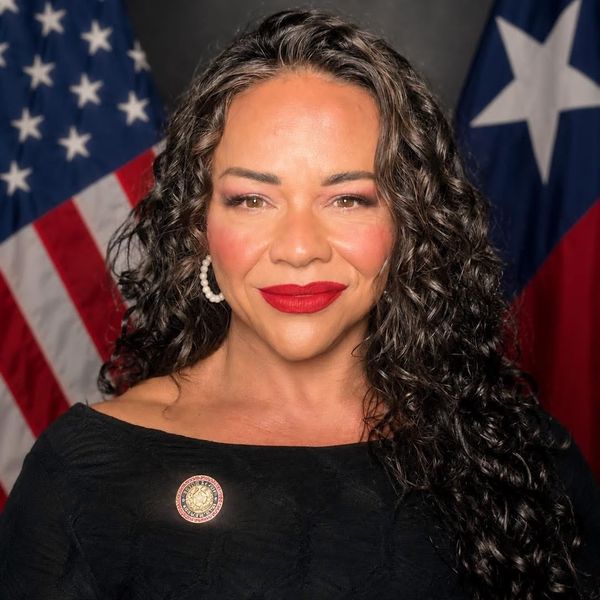
In House District 119, military and veteran issues emerged as one of the district's strongest need signals. Representative Elizabeth Campos participated in 15 veteran-related legislative efforts, four of which became law.
The pilot also identified potential gaps. House District 119 displayed a high infrastructure need score but showed little corresponding legislative activity in infrastructure-related domains.
The framework represents a new approach to evaluating representation. Rather than measuring only bills filed or laws passed, it compares district conditions, legislative response, and legislative outcomes.
The question is not simply whether lawmakers are active.
The question is whether they are active on the issues their districts need most.